Safer Leftovers, Happier Meals: Reheat and Store with UK Confidence
Welcome to a practical, reassuring guide focused on safe reheating and storing leftovers in the UK. Here you’ll find clear, friendly direction on temperatures, timings, labelling, and organisation inspired by trusted UK food safety advice, so yesterday’s dinner becomes tomorrow’s reliable, delicious lunch without stress, guesswork, or unnecessary waste. We combine science-backed tips with real-life habits, encouraging small, sustainable changes. By the end, you’ll know how to chill, freeze, defrost, and reheat safely, while keeping flavour, saving money, and protecting everyone at your table.
Cold Facts: Fridge and Freezer Foundations
Safe leftovers begin with dependable cold storage. In UK kitchens, that means keeping your fridge at 5°C or below and your freezer around −18°C, with enough airflow for consistent cooling. When shelves are overpacked, temperatures fluctuate and bacteria get opportunities. A simple thermometer, purposeful organisation, and prompt chilling together create safer habits. These steps safeguard flavour and texture, cut waste, and make weekday meals calmer. Think of your fridge and freezer as quiet, tireless partners that protect good food until you are ready to enjoy it again.
The Two‑Hour Window Explained
Once cooking stops, the clock starts. Aim to move leftovers into the fridge within two hours, sooner if your kitchen is warm. Spread stews or roasts across shallow containers so heat escapes faster, and place them where airflow is strongest. Do not leave pans on switched‑off hobs or tucked in warm ovens. Swift cooling minimises time in the danger zone where bacteria flourish. This single habit, repeated nightly, makes the biggest difference to safety without stealing any flavour or comfort.
Rice, Pasta, and Grain Savvy
Cooked rice can harbour Bacillus cereus spores that survive boiling and thrive if left warm too long. Cool rice quickly, refrigerate within one hour, and eat within 24 hours. Reheat until steaming hot, only once. Pasta and other grains benefit from the same prompt chilling, though they are generally less risky. Portion into shallow containers, avoid towering piles that trap heat, and resist the urge to taste test while warm. Quick, thoughtful handling preserves tenderness and protects tummies.
Soups, Stews, and Saucy Dishes
Liquids hold heat, so accelerate cooling by transferring into wide, shallow containers, stirring occasionally to release steam. If safe and clean, you can rest hot containers on a trivet in a cooler spot briefly before refrigerating. Leave lids slightly ajar until steam subsides, then cover to prevent odours and drying. Avoid chilling giant pots whole; cores stay warm too long. With small tweaks, tomorrow’s bowl tastes brighter, textures stay balanced, and reheating happens swiftly and safely.
Microwave Mastery Without Dryness
Microwaves can heat unevenly, leaving cold pockets. Arrange food in a ring shape on the plate, cover loosely to trap steam, and pause mid‑way to stir thoroughly. Add a splash of water or stock to rice and pasta to refresh moisture. Rotate the plate if your oven lacks a turntable. Check multiple spots with a thermometer or clean spoon touch‑test, then rest for a minute so temperatures equalise. This care transforms quick reheats into reliably hot, juicy, enjoyable meals.
Oven, Hob, and Air Fryer Tactics
For casseroles and bakes, a moderate oven with foil prevents drying while heat penetrates. On the hob, reheat soups and curries gently, stirring to avoid scorching. Air fryers crisp modest portions beautifully; cover with a perforated foil tent if edges brown too fast. In every method, aim for consistent heat, occasional stirring, and patient resting time. Measure success by steaming‑hot centres rather than sizzling exteriors alone. Your reward is revived texture, lifted aromas, and confident bites from start to finish.
Keep It Clean: Preventing Cross‑Contamination
Tasty leftovers deserve safe surroundings. Separate raw and ready‑to‑eat foods, store raw meat covered on the lowest shelf, and keep containers sealed to stop drips and odours. Clean hands, boards, and handles before touching refrigerated dishes ready for reheating. Use colour‑coded boards where possible, and dedicate utensils for allergens. Small routines block invisible risks and support confident eating. When your kitchen runs like this, grabbing yesterday’s curry or roast vegetables feels easy, reassuring, and pleasantly routine, even on the busiest evenings.
Zoning the Fridge for Peace of Mind
Think in layers. Raw meat and fish sit covered on the bottom shelf, catching any drips. Cooked leftovers and ready‑to‑eat items live higher up in sealed containers. Door shelves hold condiments and drinks that tolerate small temperature swings. Produce drawers cradle fruit and veg, clean and dry. This calm structure prevents accidental contact, stabilises temperatures, and helps everyone find lunch quickly. Signs, baskets, or simple shelf labels guide flatmates and kids alike, safeguarding safety without stealing precious minutes.
Containers, Covers, and Odour Control
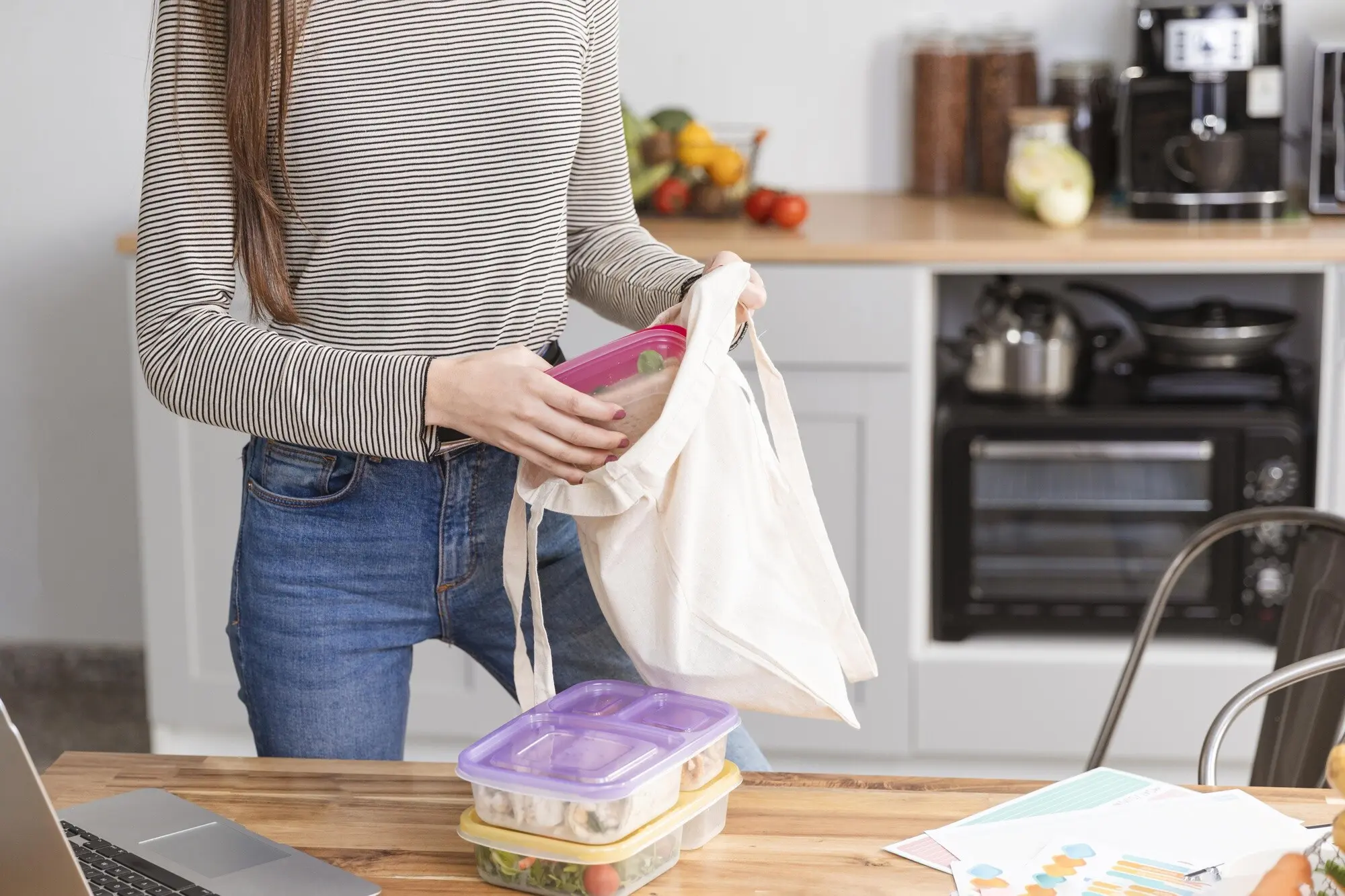
Choose leak‑proof, microwave‑safe containers you enjoy using, because favourites get used often. Tight‑fitting lids keep aromas in, humidity balanced, and spills out. For reheats, vent lids slightly to prevent pressure build‑up, then reseal for storage. Glass is odour‑resistant and oven‑friendly; sturdy BPA‑free plastic is light and practical. Use baking parchment between slices or layers to protect texture. Well‑chosen containers cut clutter, carry lunches confidently, and help leftovers taste like they were just cooked, not yesterday’s afterthought.
Allergy‑Aware Habits at Home
If allergens are a concern, label containers clearly with ingredients, store allergen‑containing foods separately, and dedicate utensils and boards. Wash hands and surfaces before handling ready‑to‑eat leftovers, and avoid shared condiments that collect crumbs. When reheating, cover food to prevent splatter cross‑contact inside microwaves or ovens, and clean appliances regularly. Clear communication among family or flatmates prevents mix‑ups. With a few conscious steps, everyone can open the fridge with confidence, knowing their next meal is both delicious and safe.
Dates, Quality, and Common Sense: UK Markings Decoded
Understanding date labels prevents both waste and risk. Use‑by dates concern safety and should be followed strictly; best‑before dates speak to quality. Leftovers in the fridge are best within two days, while cooked rice is safest within 24 hours. Freezing before the use‑by date pauses spoilage, but once defrosted, eat within 24 hours and do not refreeze unless cooked again. Trust the label, not just your nose, and let planning transform your weekly rhythm and your food budget.
Use‑By Means Stop, Not Maybe
Use‑by dates are about safety, not preference. Even if something smells fine, harmful bacteria may be present. Freeze items before the use‑by date if you need more time, then cook and eat promptly after defrosting. Apply the same respect to leftovers: track dates, portion wisely, and avoid optimism that turns into waste. This clarity reduces anxiety and keeps every reheated plate aligned with sound UK guidance, protecting your household without stealing away the joy of spontaneous meals.
Best‑Before Follows Flavour, Not Safety
Best‑before dates signal peak quality. Many pantry items remain safe beyond this mark if stored correctly, though texture or flavour may decline. For leftovers, focus less on best‑before and more on refrigeration time, smell, appearance, and reheating thoroughness. If food seems off, trust caution. When in doubt, freezing earlier protects quality. Blending date knowledge with sensible observation helps you waste less while safeguarding comfort and satisfaction, turning cautious confidence into a weekly habit that rewards taste and wallet alike.
Defrosting Without Drama: Safe, Simple Methods
Gentle thawing protects both texture and safety. The fridge is your best ally for even results and minimal mess. Microwaves help when time is tight, followed by immediate cooking. Avoid room‑temperature thawing on counters where bacteria multiply. Contain drips, clean trays, and keep raw juices away from ready‑to‑eat dishes. With a little planning, dinner slides smoothly from frozen to fabulous, and lunches become stress‑free. The result is dependable meals that taste like care, not compromise.
Portion Like a Pro
Divide meals into individual servings before chilling, matching containers to realistic appetites. Smaller portions chill faster, reheat more evenly, and prevent second reheats. Keep a few sides—like steamed greens or a lemon wedge—separate to revive brightness later. This thoughtful sizing encourages mindful eating and supports reliable safety habits. Over time, you will learn the sweet spot for your household, trimming waste and turning your fridge into a curated collection of ready‑to‑love lunches and relaxed evening plates.
Creative Second Acts
Transform roast veg into frittatas, turn yesterday’s chicken into a hearty soup, or refresh grains with lemon, herbs, and a quick pan toss. These gentle makeovers protect textures and prevent boredom while still honouring safety steps: prompt chilling, clear labels, single reheats, and thorough warming. When imagination meets method, leftovers feel intentional rather than accidental. Share your favourite remixes with us—your ideas might rescue another reader’s Tuesday, proving that good planning pairs beautifully with playful, flavour‑forward thinking.
Share, Ask, and Keep Learning
Your kitchen stories matter. Tell us what worked, where you hesitated, and which reheating tricks saved supper. Post questions, swap tips, or request deep dives on appliances, containers, or tricky dishes like rice and roast joints. Subscribe for UK‑specific checklists, seasonal reminders, and zero‑waste inspiration. Together we build supportive habits, demystify safety, and protect budgets. Every message helps someone else open the fridge with confidence, knowing delicious, safely stored leftovers are ready whenever hunger and life align.
All Rights Reserved.