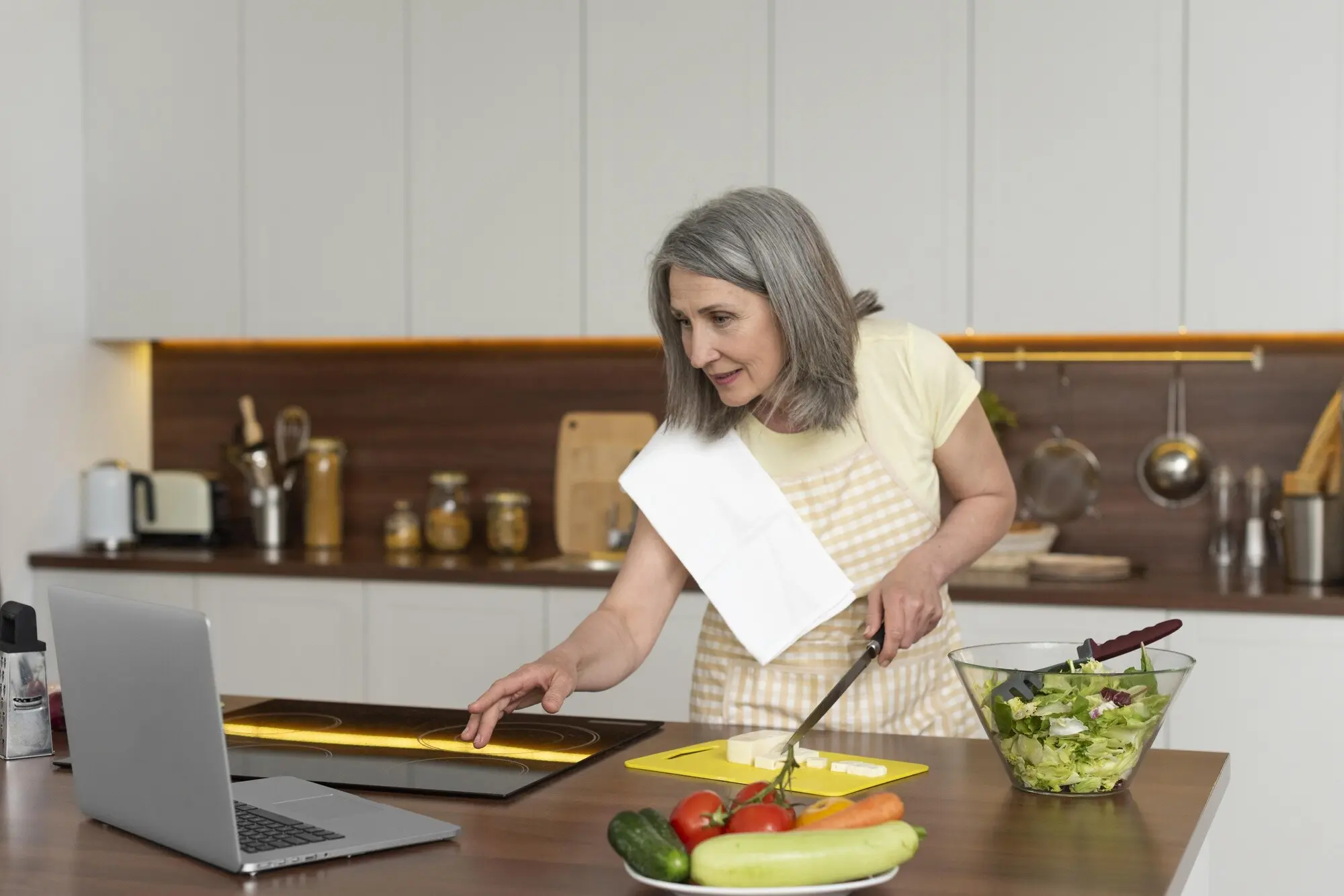
From Sunday Roast to Monday Magic
Today we explore regional British dishes that turn leftovers into new meals, celebrating ingenious plates like bubble and squeak, stovies, rumbledethumps, Cornish pasties, Glamorgan sausages, and bread-and-butter pudding. Expect stories, practical guidance, and flavorful history that prove thrift and creativity belong together. Share your family trick for rescuing yesterday’s roast, subscribe for more weekly kitchen inspiration, and help keep these proud, waste-cutting traditions deliciously alive.
The Roast That Never Ends
A joint roasted on Sunday sets the week’s rhythm: crisp fat saved as dripping, potatoes mashed for tomorrow, cabbage quietly waiting. Monday brings bubble and squeak singing in the skillet, or shepherd’s pie crowned with golden ridges. The transformation feels almost ceremonial, an optimistic promise that nothing nourishing is ever truly finished. Tell us how your family keeps the roast’s memory going, and whether herbs, mustard, or a splash of gravy create your favorite encore performance.
A Pantry Shaped by Seasons
British ingenuity grew from seasonal rhythms: root vegetables stored in sheds, brassicas sweetened by frost, oats and barley standing by for thickening and body. When scraps of beef, lamb, or fish needed companionship, potatoes, swedes, and onions dutifully arrived. That dependable chorus built winter bowls with surprising brightness and texture. Share how your local markets or allotment harvests steer your reinventions, and which humble vegetable, herb, or pickle becomes the unlikely hero in your satisfying, second-day dishes.
Zero-Waste Before It Was Cool
Long before sustainability slogans, cooks saved bacon rinds for flavor, stale loaves for puddings, and bones for broths that deepened everything. The ethic was respectful, not performative: care for resources, gratitude for nourishment, faith in craft. Today we revisit those habits with modern know-how, better fridges, and bolder seasonings. Post your best storage tip, reheating method, or freezer strategy that preserves taste and texture, and help this old wisdom feel fresh, practical, and irresistibly delicious.
Heritage of Reinvention
Across Britain, cooks learned to stretch hard-won ingredients into comforting second acts, guided by markets, mines, mills, and moors. Wartime rationing, Sunday rituals, and cold Monday kitchens encouraged resourcefulness that never felt austere, only generous. This living lineage survives in sizzling pans and battered tins where leftovers meet onion, spice, and heat. Add your voice to the story by telling us how your household revives yesterday’s supper and what wisdom you inherited about making every crumb count.
Bubble and Squeak, Brass-Pan Brilliance
Cabbage and potatoes, maybe carrots or sprouts, meet a hot, well-loved pan until edges hiss and deepen into mahogany. Press down, wait, and let patience build that shattering crust. A fried egg turns it into a hearty breakfast; chutney makes a punchy supper. Each household guards its ratio and secrets. Do you fold in mustard, onion, or bacon crumbs? Tell us how you chase the ultimate crunch and whether cast iron or copper wins in your kitchen.
Cottage Pie, Yesterday’s Mince Reimagined
Mince leftover from a roast or batch-cooked stew settles into a savory base with onions, carrots, and maybe Worcestershire’s tang. Crowned with creamy mash, forked into pleasing ridges, it bakes until peaks toast and the gravy bubbles. Frozen peas, thyme, or shredded cheddar offer personal signatures. It’s convenience without compromise, a dependable weeknight jewel. Share your layering pattern, favorite bakeware, and whether you brush the top with butter or egg yolk for that burnished, celebratory finish.
Market-Fresh Fishcakes on a Friday
Flaked cod, haddock, or salmon from yesterday’s pan mingles with mashed potato, dill, lemon zest, and a whisper of spring onion. Chilled to firm, crumbed for texture, and fried until audibly crisp, they deliver thrift wrapped in luxury. Serve with tartar sauce, garden peas, or a bright salad of radishes and herbs. Do you bake or shallow-fry? Add capers or anchovy for depth? Tell us how you keep the centers tender and the crust thrillingly light.
Stovies by the Stove, Stories in the Steam
Off-cuts of beef or lamb, onions, and sliced potatoes nestle together with a spoon of dripping, then soften slowly until each spoonful tastes round and calm. Some people add carrots, others a splash of ale or stock. The magic happens at low heat, where time coaxes sweetness from onions and tenderness from scraps. Tell us whether you prefer chippy-style stovies or a homelier version, and what you serve alongside, from pickled beetroot to buttered neeps or crusty bread.
Rumbledethumps, A Borders Embrace
A cheerful collision of mashed potato, cabbage, and sometimes swede, rumbledethumps bakes under a veil of melted cheese until the edges freckle and the middle turns creamy. It rescues extra mash with grace, making vegetables feel abundant and indulgent. Add nutmeg, scallions, or mustard to sharpen things, and serve with sausages or leftover roast slices. Share your casserole size, favorite cheese for bubbling tops, and whether you rest the dish before serving to steady its pillowy texture.
Wales and the Marches: Savory Ingenuity
In Welsh kitchens and along the Marches, thrifty brilliance shines through crumb-based creations and soups that bloom overnight. Glamorgan sausages transform cheese odds and stale breadcrumbs into golden cylinders of comfort. Welsh rarebit dignifies day-old bread with tangy, bubbling richness. Cawl becomes deeper after a rest, vegetables and meat speaking in harmony. From coastal laverbread fritters to Shropshire’s ham-studded bakes, pride meets practicality. Tell us which pantry rescue has seen your household through tight weeks and celebrations alike.
Northern Plates with Working-Class Heart
From Lancashire to Liverpool and across the North East, sturdy casseroles and pan suppers give yesterday’s ingredients meaningful futures. Lamb finds new purpose in hotpot, layered under potatoes. Dockside traditions become Scouse, simmered until friendly and filling. Tin-baked panackelty and onion-sweet pan haggerty celebrate potatoes, dripping, and patience. These dishes carry stories of mills, mines, and generous tables. Share your family’s baking dish dimensions, oven temperatures, and the simple sides—pickles, red cabbage—that make everything sing again.
Coastal, Cornish, and Sweet Rescues
Diced potatoes, swede, onions, and leftover beef or lamb find shelter in sturdy pastry, crimped to travel mines and moors. The filling should be confident but not wet, seasoning bold yet balanced. Chill helps keep edges neat; a steam vent protects flake. Do you add peppery heat or keep things mild and traditional? Post your pastry fat choice—lard, butter, or a respectful blend—plus baking temperatures that deliver crisp layers and a piping, affectionate, hand-warming interior.
Smoked haddock, leftover rice, butter, and curry powder weave together with soft eggs and herbs for a sunny bowl that bridges empires and breakfast tables. Fisherman’s pie gathers flaky scraps under a creamy cloak, capped with mash or pastry for pleasant contrast. Lemon, parsley, and nutmeg keep things bright. How do you poach fish without losing tenderness, and what do you fold into the sauce for depth? Share reheating strategies that preserve silkiness and avoid heavy, sleepy textures.
Slices of day-old bread buttered and sugared welcome plump raisins, warm spices, and vanilla custard that soaks, embraces, and bakes into sumptuous simplicity. The top blisters into caramelized islands; the middle stays tender and consoling. Brioche feels luxurious; plain sandwich bread proves austerity can be charming. Do you include marmalade, chocolate, or whisky-soaked fruit? Reveal your soak time, oven setting, and serving rituals—extra custard or pouring cream—that turn quiet scraps into a triumphant, spoon-clinking finale.
All Rights Reserved.